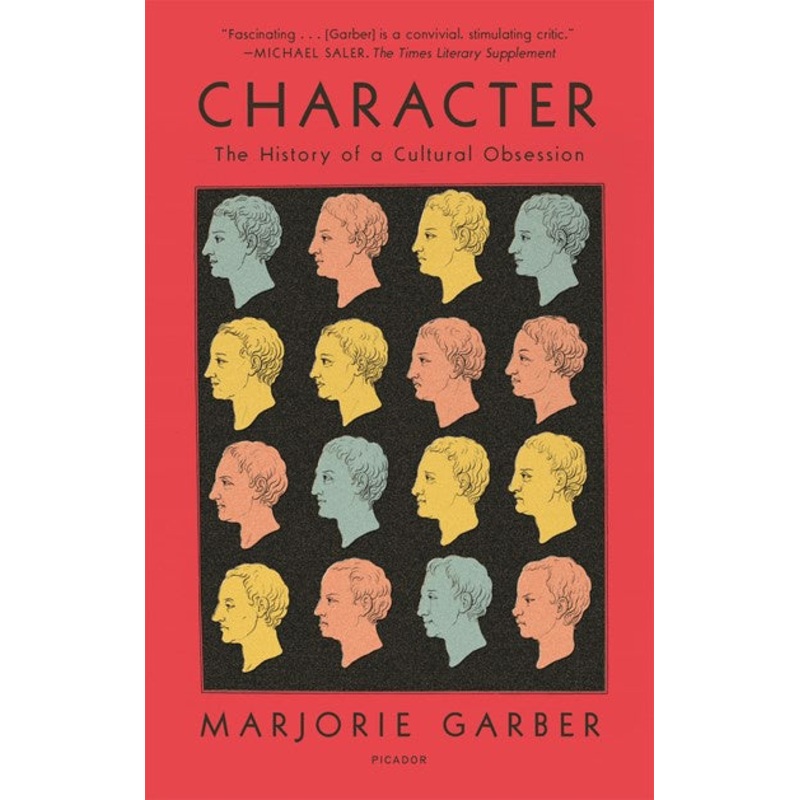
496 pages |Trade PaperbackA spirited, engaging investigation into the concept of character, an enduring human obsession in literature, psychology, politics, and everyday lifeWhat is character? How can it be measured, improved, or built? Are character trait
Flash Sale Ongoing
496 pages |Trade Paperback
A spirited, engaging investigation into the concept of character, an enduring human obsession in literature, psychology, politics, and everyday life
What is character? How can it be measured, improved, or built? Are character traits fixed or changeable? Is character innate, or can it be taught?
Since at least the time of Aristotle, philosophers, theologians, moralists, artists, and scientists have engaged with the enigma of human character. In its oldest usage, character derives from a word for engraving or stamping, yet over time, it has come to mean a moral idea, a type, a literary persona, and a physical or physiological manifestation, observable in works of art and scientific experiments. It is an essential term in drama and the focus of self-help books.
InCharacter: The History of a Cultural Obsession, Marjorie Garber points out that character seems more relevant than ever todaythe term is omnipresent in discussions of politics, ethics, gender, morality, and the psyche. References to character flaws, character issues, character assassination, and allegations of bad and good character are inescapable in the media and in contemporary political debates.
What connection does character, in this moral or ethical sense, have with the concept of a character in a novel or a play? Do our notions about fictional characters help to produce our ideas about moral character? Can character be formed, or taught, in schools, in scouting, in the home? From Plutarch to John Stuart Mill, from Shakespeare to Darwin, from Theophrastus to Freud, from nineteenth-century phrenology to twenty-first-century brain scans, the search for the sources and components of human character still preoccupies us.




Reviews
There are no reviews yet.